Industries We Serve
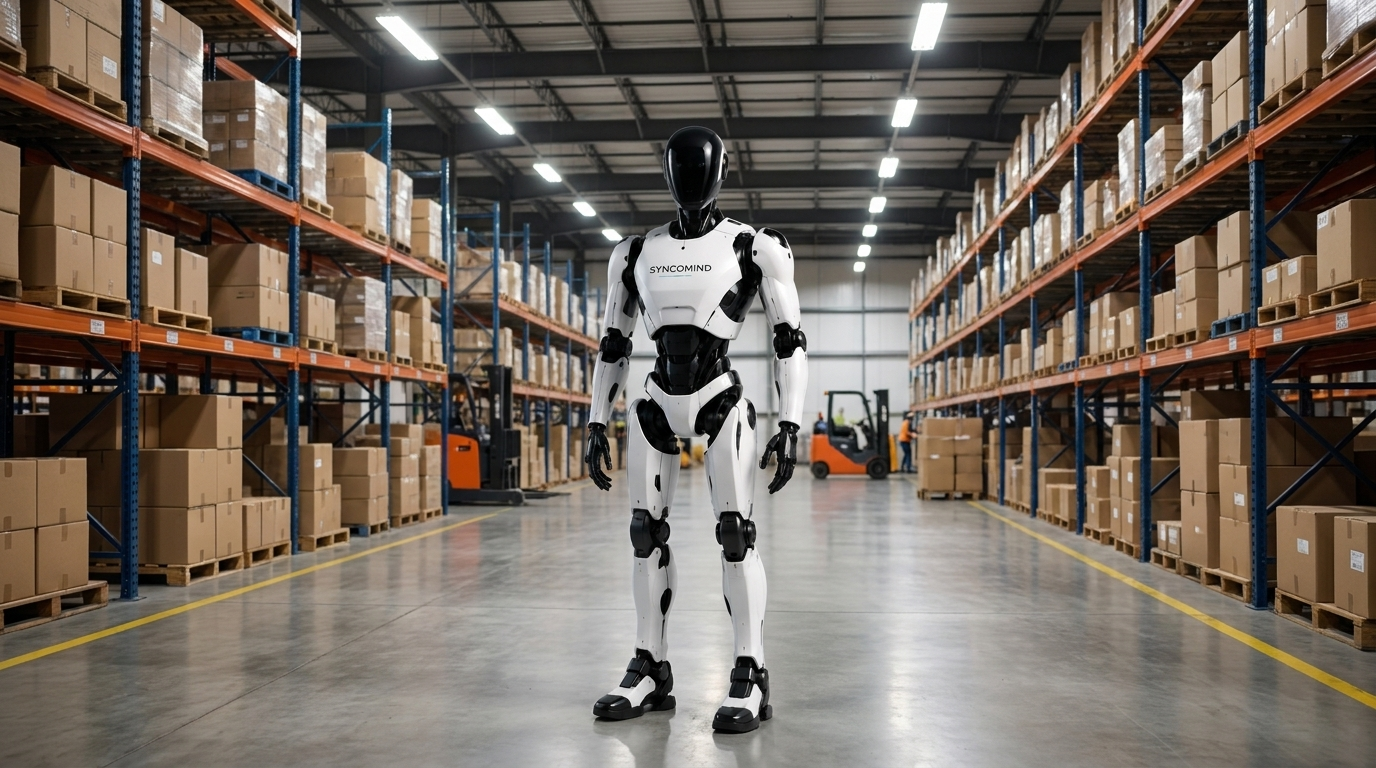
Logistics
Scale your warehouse operations without scaling your headcount — and do it in existing infrastructure.
Scale your warehouse operations without scaling your headcount — and do it in existing infrastructure.
US warehouse labor costs run $30–45/hr fully loaded — before injury liability, turnover replacement costs, and the compounding inefficiency of shift constraints. E-commerce demand doesn't respect shift changes. Customer expectations for same-day and next-day fulfillment apply equally at 3am and 3pm.
Fixed automation — conveyor systems, AMRs, gantry robots — solves parts of the problem but requires infrastructure buildouts that take years and lock facilities into rigid workflows. When SKU diversity is high and order patterns are irregular, fixed automation hits a ceiling. The floor still needs flexible capability.
A humanoid robot works in the environment you already have — existing racking, existing workflows, existing floor layouts. No conveyor retrofit. No structural modification. No six-month integration project before you can run a single shift.
The flexibility that makes humans irreplaceable in high-SKU environments — the ability to reach, reorient, and adapt to an irregular object — is the same flexibility that makes humanoid robots the right tool for logistics. Fixed automation solves for one task. A humanoid solves for the category.
Each deployment is task-configured before arrival at your facility. FleetOS connects directly to your WMS — SAP, Oracle, Manhattan, and major tier-2 platforms — through a standard REST API layer. No custom middleware. No parallel system.
Agility Digit operates inside Amazon fulfillment centers. Apollo (Apptronik) runs in manufacturing environments. Figure 02 has moved from pilot to production deployment. These deployments proved the model — humanoid robots operating in real warehouses, not controlled demos.
These deployments proved the model. SyncoMind brings the same capability — through AGIBOT hardware, the world's highest-volume humanoid manufacturer — to logistics operations across New York Metro.
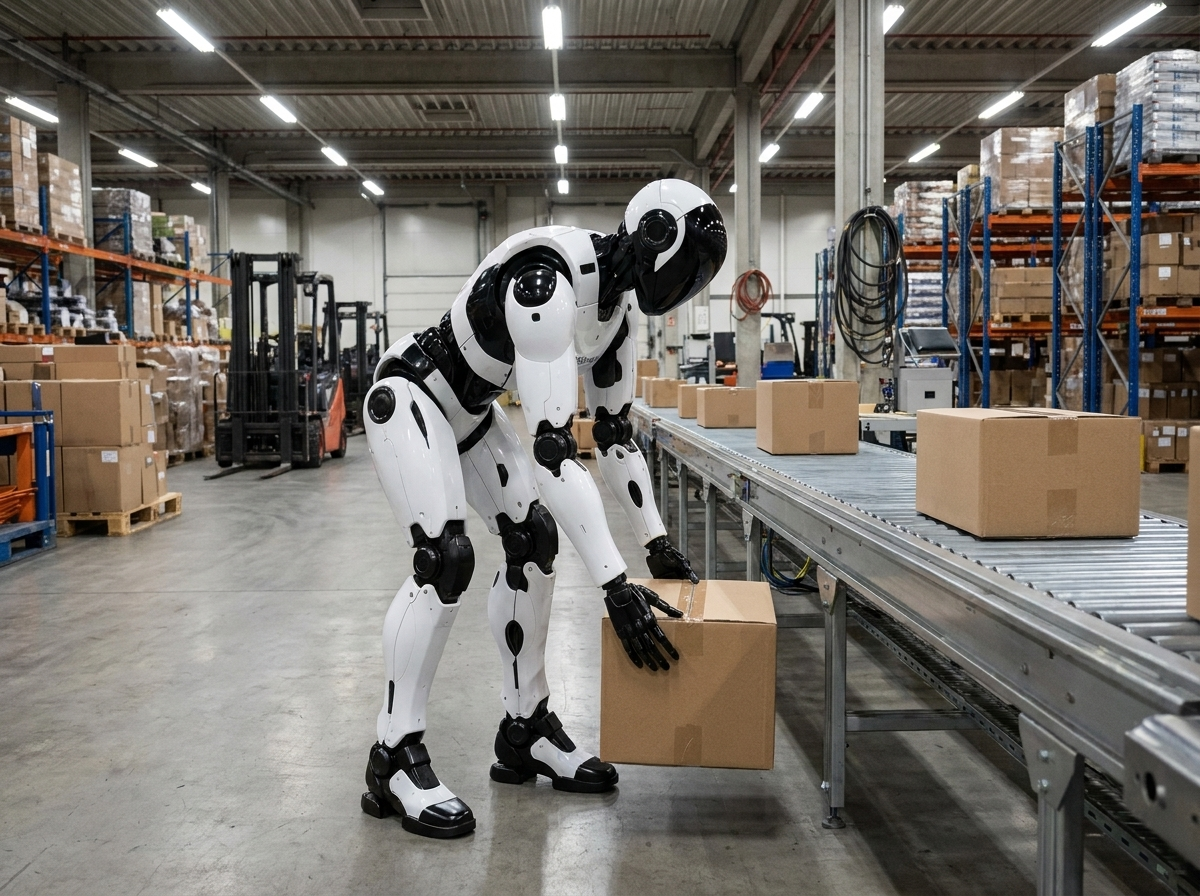
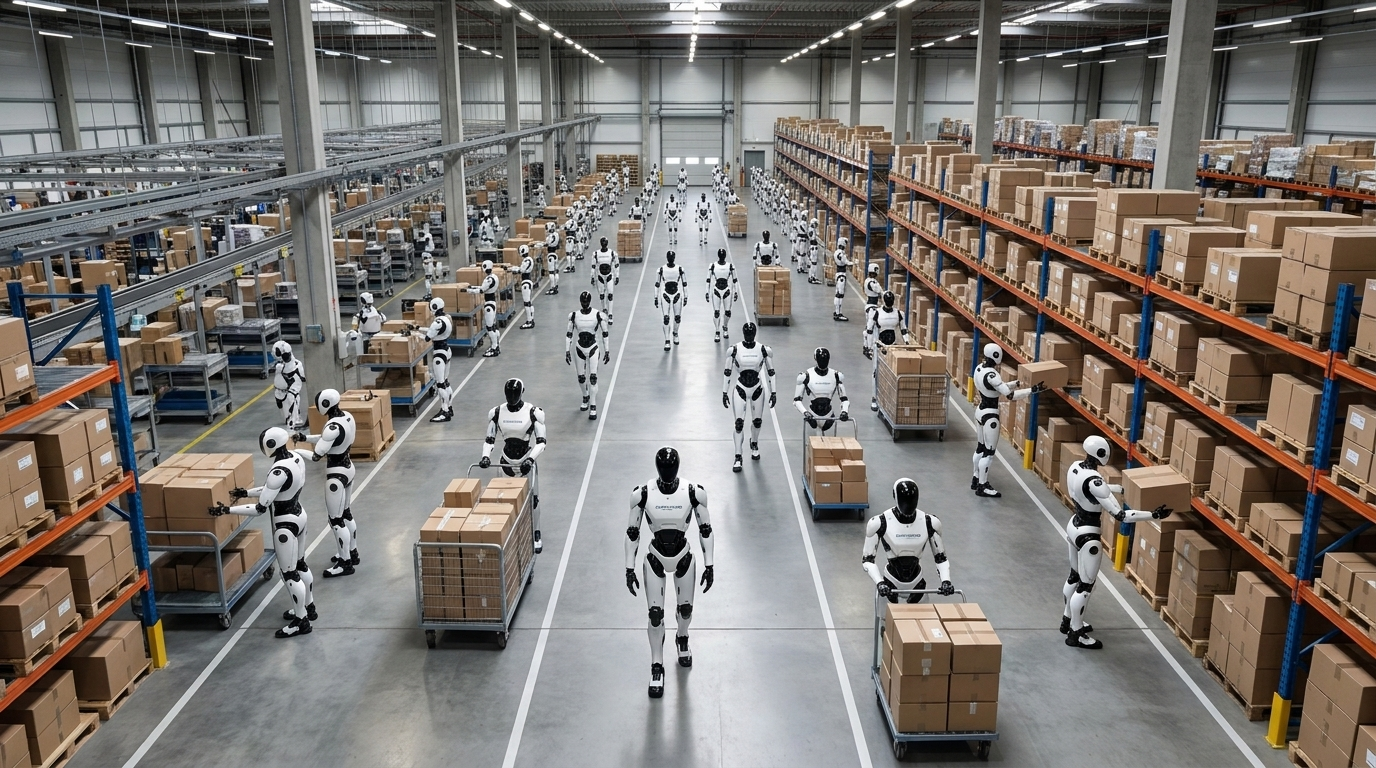
FleetOS integrates with standard WMS platforms through a REST API layer — no custom middleware, no parallel system, no six-month integration project. Task queues are generated from your existing WMS output. Robot status, exception flags, and throughput metrics feed back into the same dashboards your operations team already monitors.
Real-time reporting means floor managers see what's happening as it happens — not in an end-of-shift summary. Exceptions are surfaced immediately. Throughput is visible by zone, by robot, and by shift window.
We assess your facility, define the task configuration, and model the throughput and payback before you commit to anything.
Talk to Our Logistics Team